
Short Stop vs Direct Route – Best Travel Option 2026
When you book a trip, one small detail can change the whole experience: do you pick a route with short stops, or go as direct as possible? For most people, direct route Travel is better when time, comfort, and fewer problems matter most in the Short Stop vs Direct Route comparison. A short stop route can still be the smarter choice when you want lower prices, more flexible timings, or a break during a long journey. In air travel especially, the terms can be confusing because a direct flight is not always the same as a nonstop flight. A nonstop flight has no intermediate stops, while a direct flight may still stop on the way, which is an important point in the Short Stop vs Direct Route discussion.

What does “short stop route” mean?
“Short stop route” is not a standard official booking term used the same way everywhere. In normal travel language, people usually use it to mean a trip that includes one or more brief stops, layovers, or rest breaks before reaching the final destination. In airline language, the clearer terms are nonstop, direct, and connecting. A nonstop flight has no stops. A direct flight may still stop along the way, but usually keeps the same flight number. A connecting trip normally means you change planes during the journey.
Short stop route vs direct route travel
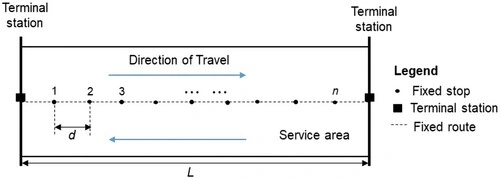
A direct route is mainly about getting from Point A to Point B in the simplest way possible. That usually means less travel time, fewer changes, and less stress in the Short Stop vs Direct Route comparison. In flights, nonstop is usually the most straightforward option. In road travel, a direct route often means fewer detours. In both cases, the main benefit is simplicity, which is why many travelers prefer it in the Short Stop vs Direct Route choice.
A short stop route adds one or more pauses in the journey. Sometimes that means a layover at an airport. Sometimes it means a road trip with planned breaks. The upside is that this kind of route can give you more options, and in flights it is often chosen because of lower fares or a better departure time in the Short Stop vs Direct Route comparison. The downside is that every extra stop creates another place where delays, missed connections, or confusion can happen, making it an important consideration in the Short Stop vs Direct Route decision.
Why many travelers prefer direct route travel
The biggest reason is simple: it saves time. Direct travel removes waiting time between segments and reduces the chance that one delay will affect the whole trip. The fewer stops you have, the fewer chances there are for something to go wrong.
Direct travel also lowers the chance of baggage problems. When your trip is simple, your luggage is less likely to be delayed, misplaced, or sent the wrong way. This is one reason why many people prefer direct routes, especially for important trips.
Direct routes are often the better choice for:
When a short stop route makes more sense
Even though direct travel is easier, it is not always the best option for every traveler. A short stop route can work well when budget matters more than speed. In many cases, trips with stops cost less than direct ones.
Short stop routes can also feel better on very long journeys. Some people prefer breaking up a trip instead of sitting for one long stretch. That is especially true in road travel. A short break can help you stretch, eat, rest, and continue the journey feeling better.
So, a short stop route may be the better pick when:

Direct route travel is best when time matters
If your trip is tied to a wedding, interview, meeting, exam, or same-day event, going as direct as possible is usually the smarter move. Direct travel gives you fewer things to worry about. You are not only saving time — you are also reducing stress.
Short stop routes are better when budget and flexibility matter
Not every traveler needs the fastest path. If you are flexible, a route with short stops can open up more choices and sometimes better prices. That is especially common on long-distance trips where airlines use connecting hubs.
For leisure travel, a short stop route can even feel more comfortable. A short break can help you move around, grab food, or simply relax before the next part of the trip. For driving, planned stops are also a smart safety choice.
How to choose between the two
The easiest way to decide is to ask one question: What matters more on this trip — time or flexibility?
Choose direct route travel when your goal is speed, simplicity, and fewer problems. This is usually the best fit for work trips, family travel, short vacations, and important journeys.
Choose a short stop route when your goal is lower cost, more schedule options, or a more relaxed and broken-up travel day. This is often better for flexible leisure trips or long drives where rest matters.
Todas tus series y películas favoritas
Desde los últimos éxitos de taquilla hasta clásicos atemporales, esta app lo tiene todo, incluyendo contenido de plataformas de streaming populares como Netflix, Disney+ y HBO.
Practical tips before you book
Before choosing any route, check the total travel time, not just the starting point and destination. In flights, make sure you understand whether the trip is nonstop, direct, or connecting, because these terms are not the same. In road travel, plan your stops ahead of time instead of waiting until you are too tired.
Here are a few simple tips:
Route Comparison, Travel Time & Comfort Guide
Frequently Asked Questions
Final Thoughts
In the debate between short stop route vs direct route travel, there is no single answer for every traveler. But there is a simple rule: pick direct travel when speed, comfort, and fewer problems matter most; pick a short stop route when savings, flexibility, or planned breaks matter more.
For most important trips, the direct option wins. For flexible travel, a short stop route can be a smart and practical choice. The best route is the one that matches your real needs, not just the cheapest number you see on the screen.


