
Handle Seat Change Requests During Travel Guide 2026
Traveling can be exciting, but sometimes seat arrangements during a journey can become a source of stress or confusion. Whether you’re flying long‑haul or taking a train, you might deal with seat change requests — either from the airline or from fellow passengers. Knowing how to handle these situations kindly, confidently, and within the rules can make your journey smoother for everyone.

Know the Difference: Airline‑Directed vs. Passenger‑Requested Changes
There are two main scenarios you might face when someone talks about changing seats:
Airline‑Requested Changes
Airlines might assign Handle Seat changes due to operational reasons. These can include balancing aircraft weight, accommodating families together, or a change in aircraft type.
In these cases:
Requests from Other Passengers
Understanding this distinction helps you respond appropriately without stress.
When to Say Yes — and Why
Agreeing to a seat change can be a kind gesture that makes travel easier for others, especially if:
The new seat is comparable to yours (e.g., aisle for aisle).
They have a legitimate need (such as sitting with children or easing a disability).
You’re flexible and the swap won’t drastically affect your comfort or itinerary.
A simple, polite response can greatly enhance the Travel experience for others without costing you much.
How to Say No Respectfully
Not every seat change request should be accepted, and it’s okay to keep your Handle Seat . The key is to be polite and clear when declining:
Explain why the seat is important to you (legroom needs, aisle for mobility, etc.).
Point out that you chose and paid for the seat when making the booking.
Use kind but firm language like: “I understand, but I’d prefer to stay here today.
A respectful “no” avoids awkwardness and shows you value both your comfort and the other person’s request.
Let the Crew Step In When Necessary
Timing Matters: When to Request or Consider a Change
Always try to select your seat at the time of booking. Many airlines and rail providers allow seat selection through their website or app, sometimes for free or for a fee.
If you change your mind, online manage‑booking tools or customer service might help you adjust seats ahead of departure.
Some airlines allow seat changes during online or counter check‑in — note that options depend on fare type, aircraft load, and airline policy.
Never just move to another Handle Seat without permission. Doing so can disrupt crew operations and affect safety checks.
Special Seats and Safety Rules
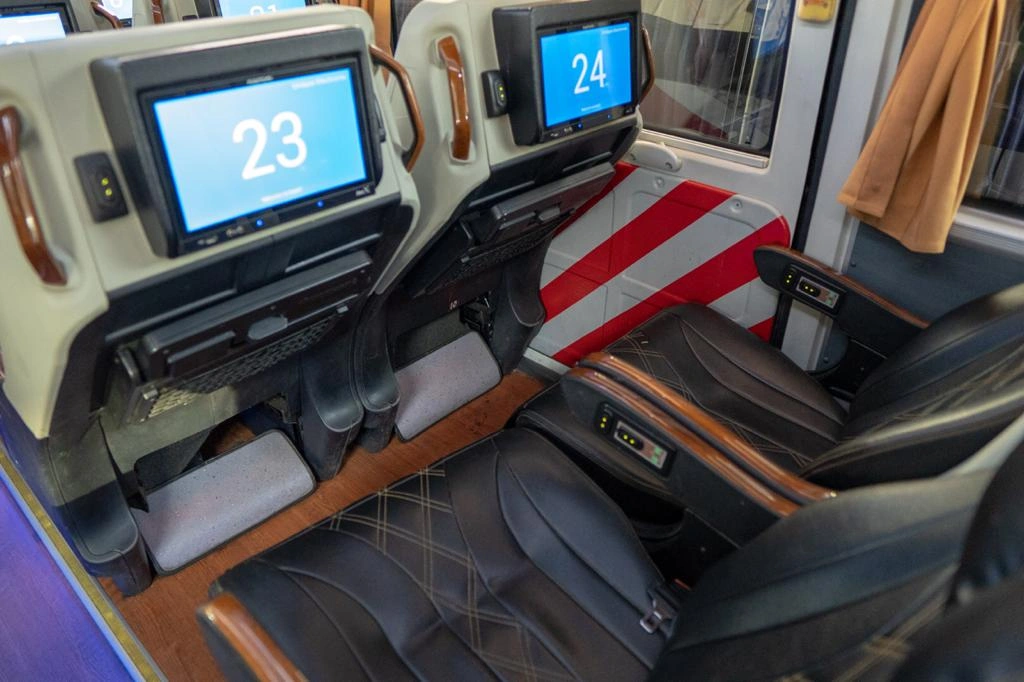
Final Tips for Stress‑Free Seat Requests
Seat Change Process, Rules & Passenger Tips
Frequently Asked Questions
Conclusion
Handling seat change requests gracefully is all about balance — between your comfort, others’ needs, and airline rules. Knowing when to agree, when to decline, and how to involve staff appropriately will help you stay confident and courteous while traveling. A little preparation and polite communication can turn a potential source of stress into a smooth part of your journey.


