
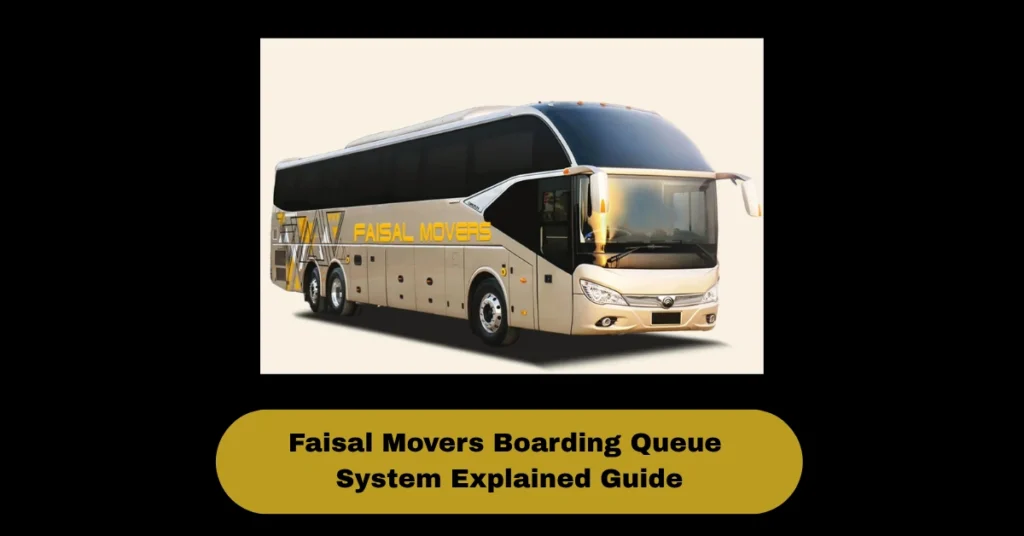
Faisal Movers Boarding Queue System Explained Guide
If you are traveling with Faisal Movers for the first time, one question usually comes up fast: how does the boarding queue system actually work? The simple answer is this: Faisal Movers’ boarding process starts before you even reach the bus. It begins with ticket booking, seat selection, boarding point confirmation, and timely reporting at the terminal. From there, passengers move through verification, luggage handling, and final boarding.
A small but important detail: Faisal Movers does not appear to publicly explain a detailed internal queue management system in technical terms. So the best way to explain the “queue system” is from the passenger side, based on the real travel flow people usually follow: booking, arrival, checking, luggage, and boarding.
What the Faisal Movers boarding queue system really means
In simple words, the boarding queue system is the order in which passengers are organized before departure. It is not just about standing in a line near the bus door. It usually includes these steps: booking the ticket, choosing the seat, selecting the terminal or boarding point, arriving before departure, getting your ticket checked, handling luggage, and then boarding when staff opens the bus for passengers.
That is why two people can reach the same terminal at the same time but still have very different experiences. One may already have a confirmed booking and move faster, while the other may still be trying to buy a ticket or confirm travel details.
This is also why many travelers prefer online booking. When you book first, choose your seat, and confirm your boarding point before leaving home, the whole process becomes easier.
Booking comes before the physical queue
The first layer of the system is ticket booking. Passengers usually have more than one option, such as online booking, phone booking, or booking directly at the terminal. This matters because the boarding queue often starts with the booking method you choose.
Someone who already has a confirmed seat usually enters a shorter path at the terminal than someone who still needs to ask about route, fare, or seat availability.
From a user point of view, this is one of the easiest ways to understand the system: the boarding queue starts before the terminal. If you book early, your main job later is verification. If you wait until you reach the counter, your queue starts with ticket purchase and ends with boarding.
Seat selection helps organize passenger flow
Seat selection makes the process more organized. When seats are assigned before boarding, the journey feels less random. Passengers already know where they will sit, and this reduces last-minute confusion.
This matters because a seat-based system makes boarding smoother. Staff do not need to solve as many seating issues at the final moment, and passengers can board with more confidence. On busy travel days, this can save both time and stress.
Boarding point selection matters more than people think
Reporting time is a big part of the queue system
Verification is the checkpoint before boarding
Luggage handling can slow or speed the line
The actual boarding line is the final step, not the first one
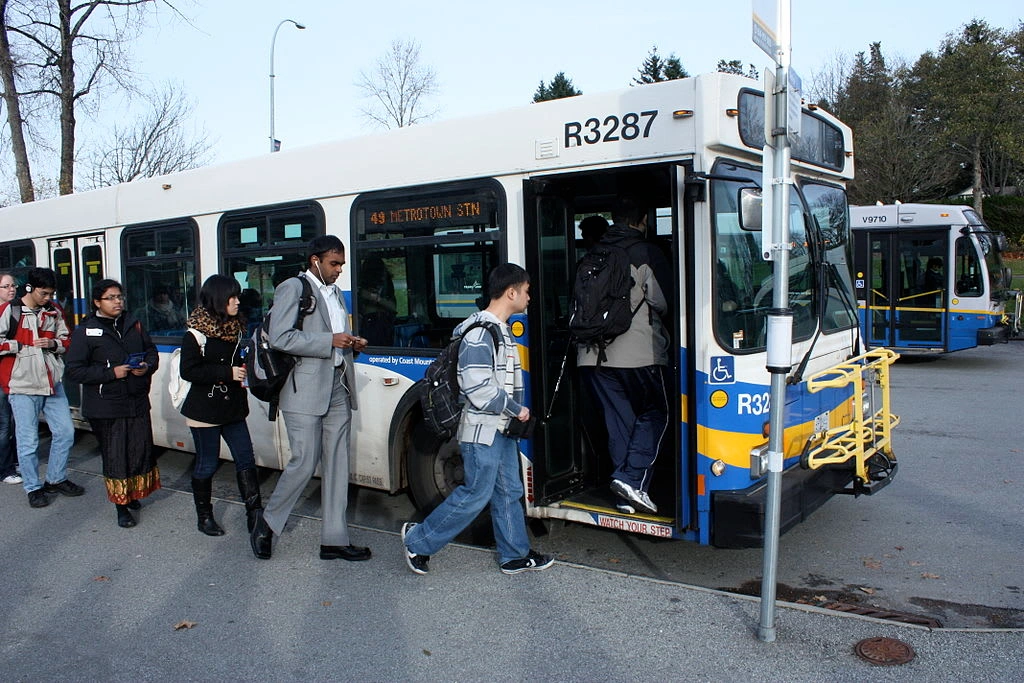
Many people imagine the queue system as one simple line outside the bus. But that is usually the last stage, not the full story. By the time you are standing near the bus door, most of the process has already happened.
Your booking is done. Your seat is selected. Your terminal is confirmed. Your reporting time has been managed. Your ticket has been checked. Your luggage has been handled.
That is why the best explanation is this: Faisal Movers uses a step-by-step boarding flow, not just a physical line. The queue is built through booking, seat confirmation, reporting, verification, and then final bus entry.
Tips to make boarding easier
This saves time and helps you avoid unnecessary counter lines.
Early seat selection gives you more control and reduces confusion.
Never assume every bus leaves from the same terminal in your city.
Arriving before departure makes the entire process easier and less stressful.
Simple baggage means fewer delays and smoother movement.

Is the Faisal Movers boarding queue system good?
Boarding Process, Queue System & Travel Tips
Frequently Asked Questions
Final Thoughts
If you want the easiest possible explanation, here it is: Faisal Movers’ boarding queue system is really a travel flow system. It starts with booking, continues through seat and terminal selection, depends on reaching the terminal on time, and ends with verification and final boarding.


