
Bus Travel Document Requirements Guide 2026 – What to Carry
Whether you’re taking a short local trip or a long-distance Bus ride, having the right travel documents is crucial for a smooth and stress-free journey. Below is a comprehensive guide to the key travel document requirements you’ll need for your bus journey.
Valid Photo ID
The most common travel document for bus journeys is a valid photo ID. This could be one of the following:
Bus Ticket
Your bus ticket is your primary travel document, whether purchased online or at the station. Your ticket will include:
Most bus companies offer e-tickets, which you can show directly from your phone.
Travel Visa (For International Journeys)
If you’re traveling by bus across international borders, you will likely need a visa for the country you are visiting. It’s important to check the visa requirements for each country you’ll be passing through before booking your ticket.
Health Documents (For Some Regions)
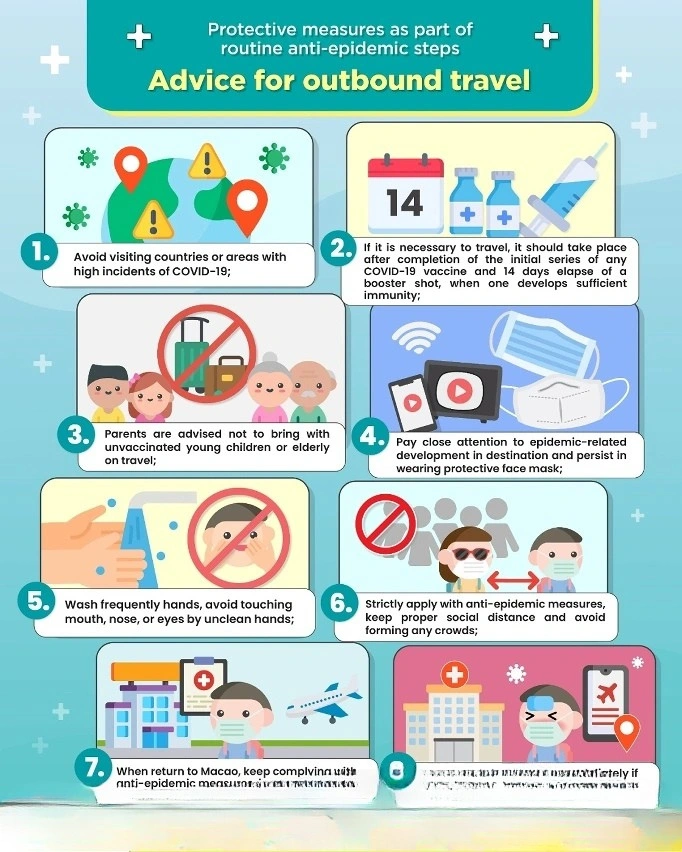
In some regions, particularly due to health concerns like COVID-19, bus companies may require additional health-related documents, such as:
Vaccination certificates – To show proof of vaccination against specific diseases.
Negative COVID-19 test results – Required for certain countries or travel routes.
Tip: Keep all health documents handy, especially if traveling internationally or through countries with strict health protocols.
Student or Senior Discounts (If Applicable)
Baggage Tags and Special Permissions (If Required)
Emergency Contact Information
Travel Insurance: Is It Necessary for Bus Journeys?
How to Prepare for an Overnight Bus Journey
If you’re taking a long-distance overnight bus journey, preparation is key. In addition to your essential documents, consider packing:

What to Do if You Lose Your Travel Documents on the Bus
Losing important travel documents can be stressful. Here’s what to do if it happens:
Notify the bus company – They may have a protocol for lost items.
Contact the embassy or consulate – If you’ve lost your passport or ID.
File a police report – In case of theft, especially for international travel.
Tip: Make copies of your important documents before traveling and keep them in a separate bag for safety in the Bus Travel Document guide.
Customs and Border Control: What to Expect During International Bus Travel
When traveling internationally by bus, expect to go through customs and border control. The process may vary by country but generally involves:
Tip: Allow extra time for customs and border control, especially during peak travel seasons.
Frequently Asked Questions
Conclusion
Traveling by bus can be an enjoyable and cost-effective way to reach your destination, but being prepared with the right documents is key to ensuring your journey goes smoothly in the Bus Travel Document guide. From having a valid photo ID to understanding health and visa requirements, making sure you’ve got everything in order will help you avoid any unnecessary stress. Safe travels!


