
Sleeper vs Standard Bus – Best for Long Distance Travel
If you’re planning a long bus journey — maybe an overnight ride between cities or an all-day trip — you’ve probably wondered: Should I choose a sleeper Bus or a standard bus? Both have their perks, and the best choice depends on what you care about most — comfort, budget, sleep quality, or convenience. Let’s break it down in a simple, friendly way.
What’s the Difference?
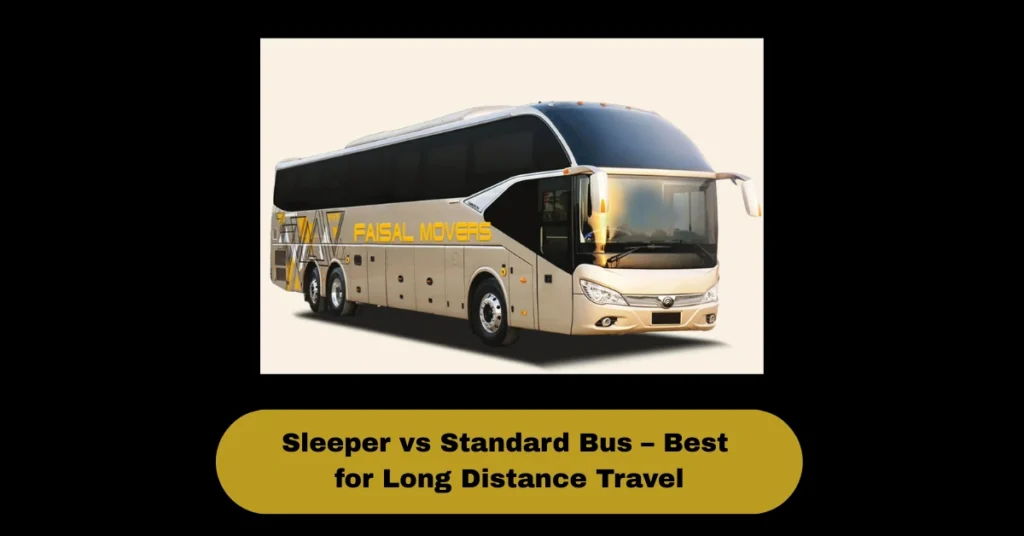
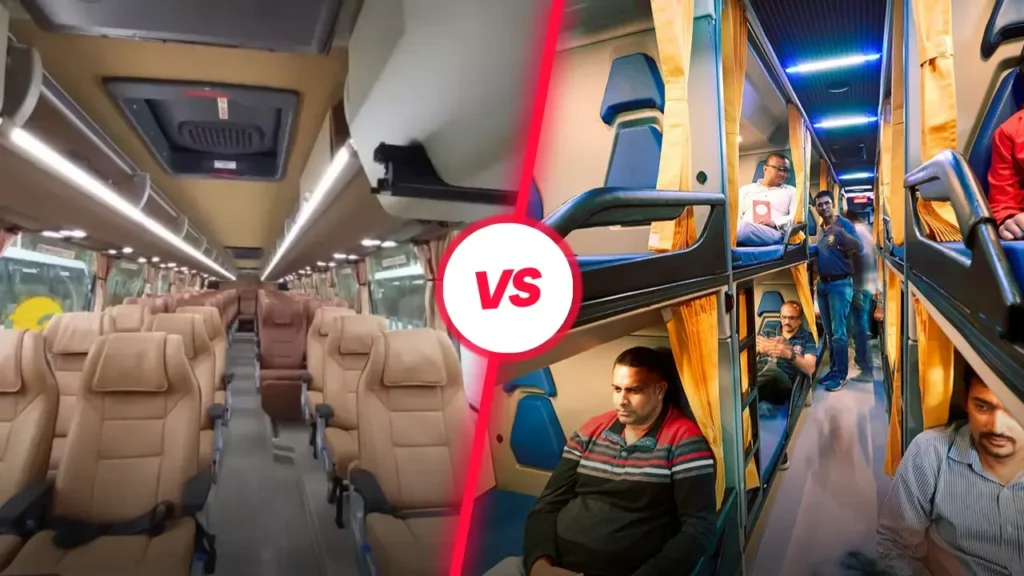
A standard bus has regular seats — usually upright with some ability to recline. They are mainly for daytime travel or shorter distances. Standard buses often run more frequently and are easier on your wallet.
A sleeper bus is built for long distances, especially overnight trips. Instead of upright seats, you get reclining or flat-bed berths where you can stretch out or even sleep. Some sleeper buses also include USB charging, Wi-Fi, and onboard toilets.
Comfort: Sleeper vs Standard
Cost Comparison
Sleep Quality
Sleeper Bus
Best for actual rest. You can lie flat or nearly flat, so you wake up refreshed.
Standard Bus
Good for short naps, but not ideal for long trips. Upright seats make deep sleep harder.
Pro Tip:
Middle berths or lower bunks on sleeper buses usually offer the most stable and quiet experience.
Travel Safety: Sleeper vs Standard
Safety is key when choosing a bus. Sleeper and standard buses from reputable operators are generally safe, with seat belts, CCTV, and trained drivers. Always check reviews, avoid unknown operators, and secure your belongings.
Booking Tips for Long Trips
Book early to get the best seats, especially on sleeper buses.
Compare prices online for deals and discounts.
Check departure and arrival times to match your schedule.
Extra Amenities to Look For

Some buses offer Wi-Fi, charging ports, snacks, and onboard toilets. Sleeper buses often include privacy curtains and bedding. Knowing what extras matter to you can make a long trip much more comfortable.
Best Routes for Sleeper and Standard Buses
Certain routes are better suited for sleeper buses, such as overnight journeys or trips over 8 hours. Standard buses work well on shorter routes under 6 hours where comfort is still important but sleep isn’t required.
Environmental Impact of Bus Travel
Traveling by bus is generally more eco-friendly than taking a car or plane. Choosing the right type of bus can make your trip greener — for example, full sleeper buses with fewer empty seats are more efficient than multiple standard buses.
When to Pick What
| Trip Type | Best Choice |
| Overnight long haul | Sleeper Bus |
| Short day trip | Standard Bus |
| Tight budget | Standard Bus |
| Want rest + save hotel cost | Sleeper Bus |
| Frequent departures | Standard Bus |
Tips for a Comfortable Bus Trip
Bring a neck pillow and blanket for warmth and better sleep
Pack toiletries (wet wipes, sanitizer, toothbrush)
Choose seats wisely — middle berths or front seats are steadier
Avoid seats near restrooms for less noise
Stay hydrated, but not too much before boarding
Frequently Asked Questions
Final Words
Choosing between a sleeper bus and a standard bus doesn’t have to be confusing. Think about your trip length, budget, and comfort needs, and match them with the options above. Sleeper buses are perfect for long overnight journeys where rest matters, while standard buses are great for shorter trips or saving money.
At the end of the day, both options are safe and convenient ways to travel. By planning ahead, picking the right seat, and bringing a few travel essentials, you can make any bus journey smooth, comfortable, and enjoyable. So sit back, relax, and enjoy the ride — your next adventure is just a bus ride away!
